
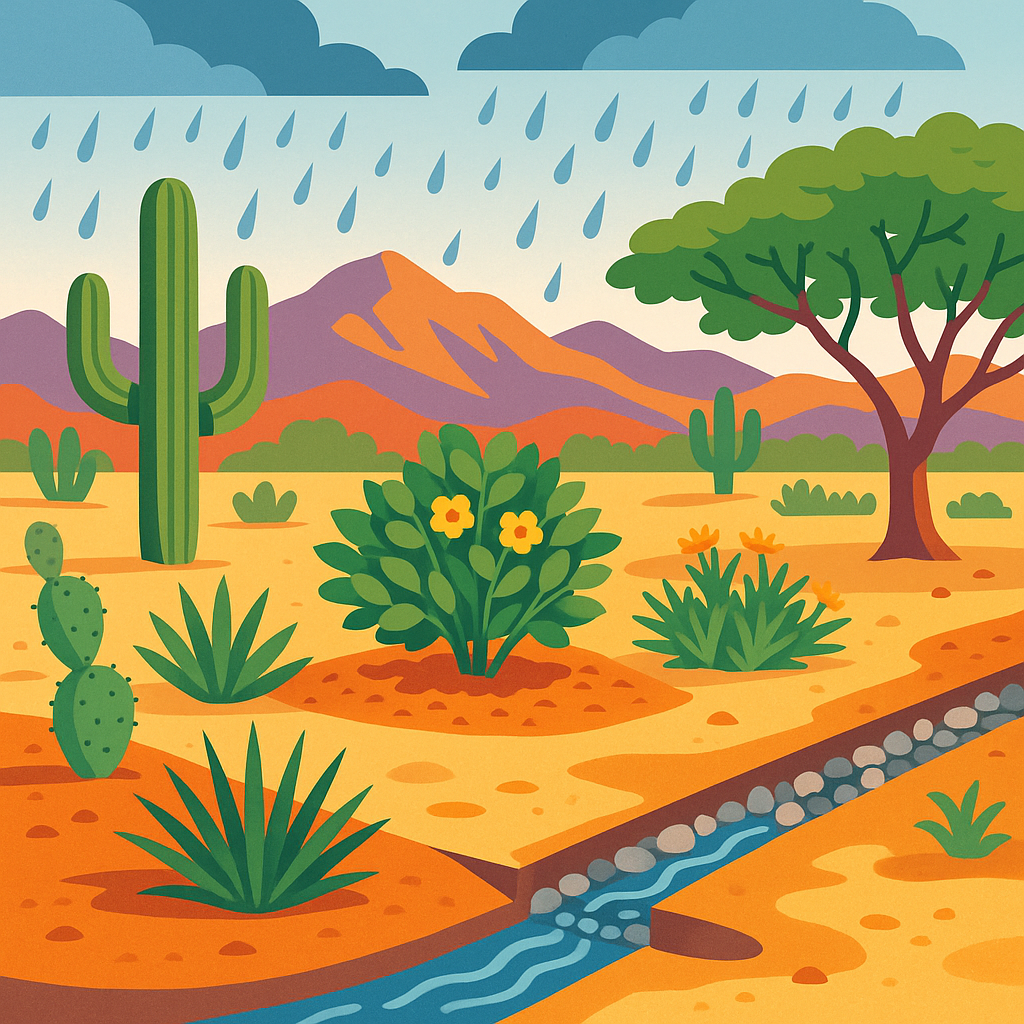
Preparing your landscape for monsoon season is essential for minimizing damage from intense rains and strong winds. Effective strategies include proper drainage installation, selecting resilient plant species, and securing landscaping elements. By taking these precautions, you can protect your outdoor space during the unpredictable desert storms of summer.
- Effective landscape prep can reduce storm damage.
- Native plants thrive during monsoon conditions.
- Proper drainage is crucial for flood prevention.
- Mulching helps retain soil and prevent erosion.
Why is Monsoon Season Preparation Important?
Monsoon season can bring heavy rainfall and strong winds, particularly in desert regions. Preparing your landscape helps mitigate potential damage from flooding, soil erosion, and plant loss. A well-prepared landscape can not only survive the storms but also flourish afterward.
What Steps Can You Take to Protect Your Landscape?
Effective landscape protection involves several key steps:
- Install Proper Drainage: Ensure your yard has adequate drainage systems to prevent water pooling, which can lead to flooding and root rot.
- Prune Trees and Shrubs: Trim overgrown branches to minimize wind resistance and reduce the risk of breakage during storms.
- Secure Loose Plants: Anchor potted plants and garden decorations to prevent them from being displaced by strong winds.
How to Choose Plants for Monsoon Conditions?
Selecting the right plant species is crucial for resilience during monsoon season. Native plants are often the best choice, as they are adapted to local climate conditions and can withstand heavy rains. Look for plants with deep root systems that can help stabilize the soil.
What Landscaping Materials Are Best for Storm Resilience?
Using the right materials can enhance your landscape’s resistance to storm damage. Consider incorporating:
- Gravel and Rock: These materials promote drainage and reduce erosion.
- Permeable Pavers: They allow water to pass through, preventing flooding and helping with groundwater recharge.
- Mulch: This helps retain moisture and prevents soil erosion during heavy rains.
When Should You Start Preparing Your Landscape?
The ideal time to start preparing your landscape for monsoon season is early spring. This allows you to implement protective measures and ensure your plants are in optimal condition before storms begin. Regular maintenance throughout the year also contributes to resilience.
FAQ
What should I do before the monsoon season?
Before the monsoon season, ensure your landscape is equipped with proper drainage systems, prune trees, and secure loose plants. These steps reduce the risk of flooding and damage from strong winds.
How can I protect my plants from heavy rain?
To protect your plants from heavy rain, consider using mulch to retain soil moisture and prevent erosion. Additionally, plant native species that are more resilient to sudden downpours.
Is it important to check irrigation systems before monsoon?
Yes, checking your irrigation systems is vital before monsoon season. Ensure they are functioning correctly to avoid overwatering and potential flooding, especially after heavy rainfall.
What landscaping materials are best for storm resilience?
Select landscaping materials like gravel and permeable pavers that allow water drainage. These materials help reduce flooding and soil erosion during monsoon storms.
When is the best time to prepare for monsoon season?
The best time to prepare for monsoon season is early spring, ideally a few weeks before the storms typically start. This allows ample time to implement protective measures and ensure your landscape is ready.