Landscaping in the desert offers unique challenges and opportunities. However, many DIY enthusiasts fall into common traps that can hinder their success. Understanding these pitfalls is crucial for creating a sustainable and beautiful outdoor space.
- Overwatering plants can lead to root rot.
- Choosing the wrong plants can inhibit growth.
- Poor soil quality hampers plant health.
- Ignoring local climate conditions impacts irrigation.
- Neglecting hardscaping can lead to erosion.
What Are the Common Pitfalls in DIY Desert Landscaping?
DIY landscaping in the desert often leads to mistakes due to the region’s unique climate. The six biggest pitfalls include overwatering, poor plant selection, neglecting soil quality, ignoring climate specifics, and failing to incorporate hardscaping.
How Does Overwatering Damage Desert Landscapes?
Overwatering is a prevalent issue in desert landscaping. Many homeowners believe that plants require more water than they actually do. This can lead to root rot, fungal infections, and ultimately, plant death. Instead, installing a drip irrigation system can provide the right amount of water directly to the roots, minimizing waste and ensuring healthy growth.
Why is Plant Selection Critical in Arid Environments?
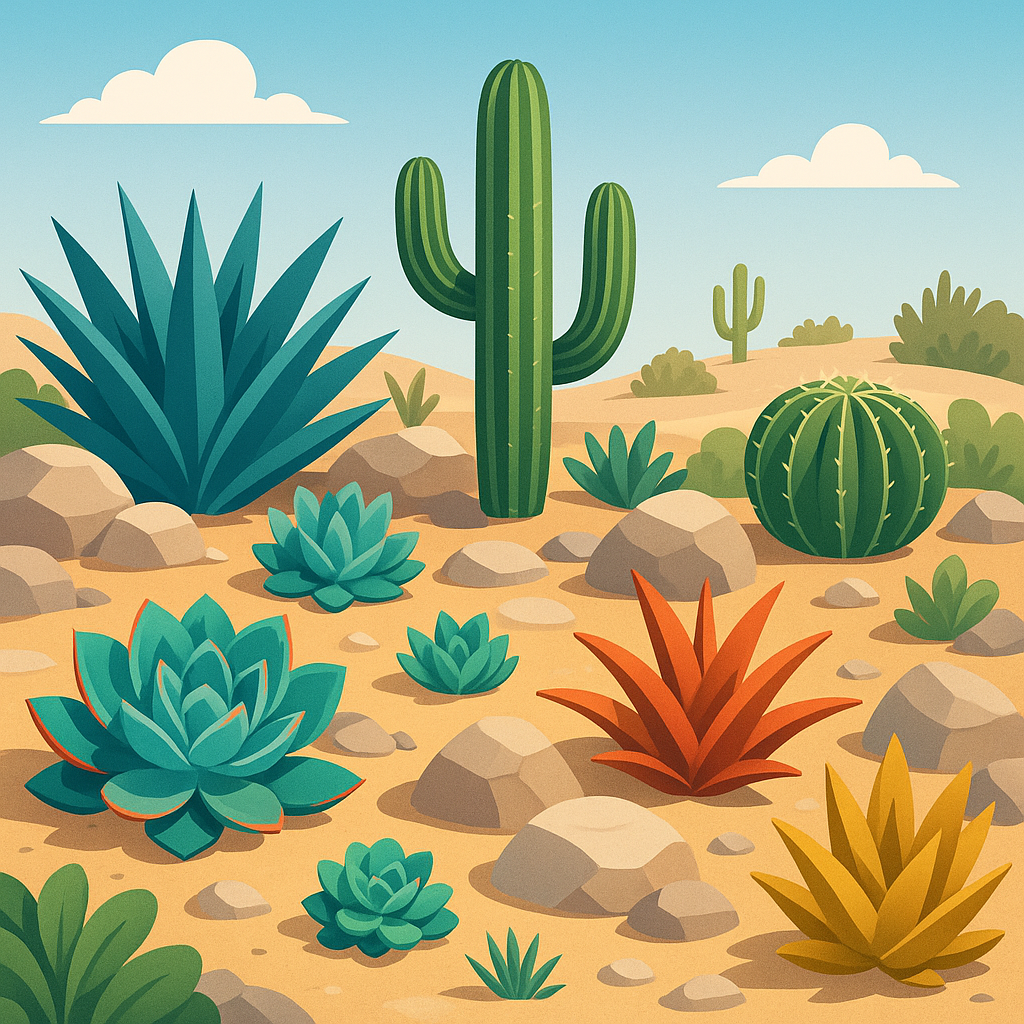
Selecting the right plants is essential for a thriving desert landscape. Many DIYers mistakenly choose non-native plants that require excessive water and care. Native plants, such as cacti, succulents, and other drought-resistant species, are better adapted to harsh conditions. They thrive with less water and are more resilient to pests and diseases.
How Does Soil Quality Impact Landscaping Success?
Soil quality plays a vital role in the health of your landscape. Desert soils can be sandy or rocky, often lacking essential nutrients. Poor soil can hinder water retention and nutrient absorption, leading to weak plant growth. Amending the soil with organic matter and mulch can improve its quality and help plants thrive.
Why is Understanding Local Climate Important?
Irrigation practices must be tailored to local climate conditions. Many DIY landscapers fail to consider the specific weather patterns of their region, leading to inefficient watering. Implementing a watering schedule based on seasonal changes can significantly improve plant health and reduce water waste.
How Can Hardscaping Prevent Erosion?
Neglecting hardscaping is a common mistake that can lead to soil erosion and water runoff. Incorporating elements like rocks, gravel paths, and retaining walls can help manage water flow and prevent erosion. Hardscaping also adds visual interest and functional spaces to your garden.
FAQ
What is the biggest mistake in desert landscaping?
One of the biggest mistakes in desert landscaping is overwatering plants, which can lead to root rot and plant death. Understanding local climate conditions is essential for proper irrigation.
How can I avoid common landscaping mistakes?
To avoid common landscaping mistakes, research suitable plants for your climate, plan your layout carefully, and consider soil quality. Consulting with local experts can also provide valuable insights.
Why is soil quality important in desert landscaping?
Soil quality is crucial in desert landscaping as it affects water retention and nutrient availability. Poor soil can lead to insufficient plant growth and increased maintenance costs.
What are some drought-resistant plants for desert areas?
Drought-resistant plants like agave, yucca, and desert marigold thrive in arid conditions. Choosing these plants can reduce water usage and promote a sustainable landscape.
How do I properly design a desert landscape?
To design a proper desert landscape, focus on using native plants, creating efficient irrigation systems, and incorporating hardscaping elements like rocks and gravel. This approach enhances both functionality and aesthetics.