
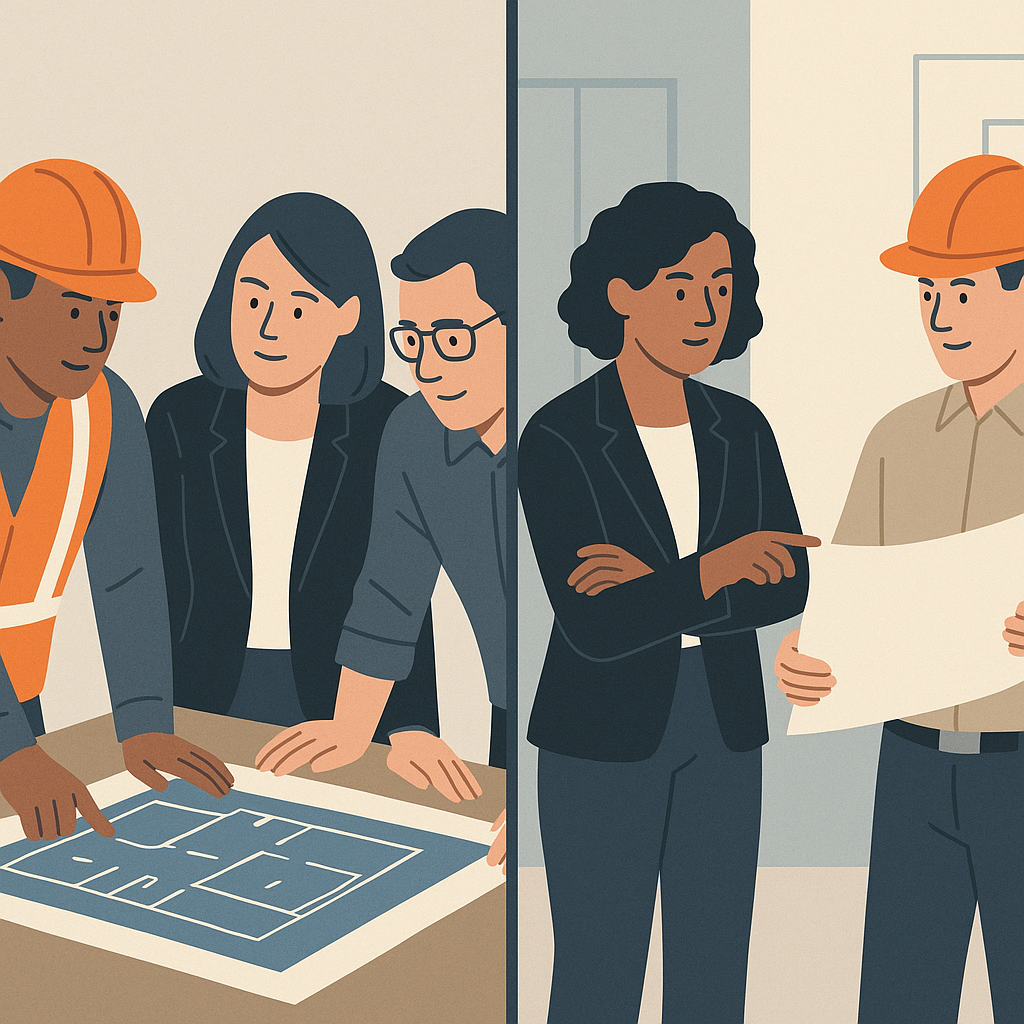
When considering a landscaping project, one of the critical decisions is whether to opt for a design-build approach or to hire a separate designer and contractor. The design-build model integrates both design and construction phases under one entity, while hiring separately involves engaging a designer and a contractor independently. Each approach has unique advantages and disadvantages that can significantly impact the project’s outcome.
- Design-build offers streamlined communication and coordination.
- Hiring separately allows for specialized expertise in design and construction.
- Cost implications vary between the two approaches.
- Complex projects may benefit from specialized professionals.
- Switching approaches mid-project can complicate timelines.
What is the Design-Build Approach?
The design-build approach in landscaping refers to a method where a single entity manages both the design and construction phases. This integration facilitates streamlined communication, quicker decision-making, and often results in reduced overall project timelines. With a design-build firm, clients have one point of contact, simplifying the project management process.
Advantages of the Design-Build Model
Opting for design-build has several advantages:
- Efficiency: Coordination between design and construction teams reduces delays.
- Cost-Effective: Fewer contracts and overhead can lead to lower costs.
- Integrated Vision: The design-build team shares a common vision, ensuring alignment throughout the project.
- Accountability: Having one entity responsible for both aspects can simplify conflict resolution.
Disadvantages of the Design-Build Model
However, there are also some potential drawbacks:
- Lack of Choice: Clients may have limited options regarding designers and contractors.
- Quality Concerns: Some clients may worry about compromising quality for speed.
- Less Customization: The design may be less tailored if the firm specializes in a specific style.
Hiring a Separate Designer and Contractor
Hiring separate professionals for landscaping can offer distinct benefits. Clients can choose a designer whose creative style resonates with them and a contractor known for their quality work. This approach can lead to a highly customized project where each specialist focuses on their area of expertise.
Advantages of Hiring Separately
- Specialization: Designers and contractors can bring unique skills and knowledge to the project.
- Greater Control: Clients have more control over design choices and contractor selection.
- Quality Assurance: Clients can vet each professional independently to ensure quality.
Disadvantages of Hiring Separately
While there are many benefits, there are also challenges associated with this approach:
- Coordination Issues: Managing communication between two parties can lead to misunderstandings.
- Increased Time: Projects may take longer due to the need for separate scheduling and meetings.
- Higher Costs: Engaging two different professionals may lead to increased overall costs.
Cost Comparison: Design-Build vs. Separate Hiring
The cost of landscaping projects can vary significantly between the two approaches. Design-build firms often provide a more streamlined pricing structure which can be more cost-effective in the long run. On the other hand, hiring a separate designer and contractor may involve higher initial costs but could yield a more customized and potentially higher-quality outcome.
| Criteria | Design-Build | Separate Designer | Separate Contractor |
|---|---|---|---|
| Cost | More cost-effective due to streamlined processes | Potentially higher initial costs | May lead to increased overall budget |
| Time | Faster project completion | Longer due to coordination needs | Dependent on designer’s timelines |
| Control | Less client control over design | More customization and control | Client chooses based on quality |
| Accountability | One point of contact | Multiple points of contact | Can complicate communication |
Verdict: Which is Best for You?
The choice between design-build and hiring separate professionals largely depends on the specifics of your landscaping project. If efficiency, cost, and streamlined communication are priorities, design-build may be the best fit. However, for projects requiring high customization and specialized expertise, hiring separately could yield better results.
FAQ
What is the design-build approach in landscaping?
The design-build approach integrates both design and construction phases under one contract, allowing for streamlined communication and efficiency. This method often reduces delays and improves project coordination.
What are the advantages of hiring separate professionals?
Hiring separate designer and contractor allows for specialized expertise in each area. Clients can select a designer whose style they prefer and a contractor known for quality work, potentially leading to a more tailored outcome.
How do costs compare between design-build and separate hiring?
Design-build can often be more cost-effective due to reduced overhead and streamlined processes. However, hiring separate professionals may lead to higher initial costs but could result in better quality and customization.
Which approach is better for complex landscaping projects?
For complex projects, hiring separate professionals might be advantageous as it allows for greater specialization. Designers can focus on creative aspects, while contractors handle technical execution, leading to a well-rounded final product.
Can I switch from design-build to hiring separately mid-project?
Switching mid-project is possible but can complicate timelines and budgets. It is essential to carefully evaluate the implications and communicate with all parties involved to ensure a smooth transition.