In Southern Nevada, irrigation mistakes can lead to significant water waste and plant damage. Common errors include overwatering, inefficient systems, and neglecting maintenance. Understanding these pitfalls will help you optimize your landscaping and conserve precious resources.
- Overwatering can drown plants and waste water.
- Using inefficient irrigation systems increases water bills.
- Neglecting soil type leads to poor plant health.
- Failing to adjust timers results in unnecessary water use.
- Not maintaining equipment can cause leaks and inefficiencies.
What Is Overwatering and Why Is It a Mistake?
Overwatering is one of the most common irrigation mistakes in Southern Nevada. It occurs when water is applied to plants more than they can absorb, leading to root rot and other stress-related issues. In this arid climate, excess water can evaporate quickly, contributing to waste and harming your landscaping.
How Does Using Inefficient Irrigation Systems Waste Water?
Inefficient irrigation systems, such as outdated sprinklers, can lead to considerable water loss. These systems often distribute water unevenly, leaving some areas saturated while others remain dry. Upgrading to modern, efficient systems like drip irrigation can minimize waste and enhance plant health.
Why Is Ignoring Soil Type a Critical Irrigation Mistake?
Neglecting to consider soil type in your irrigation strategy can lead to poor water retention and plant stress. Sandy soils drain quickly, requiring more frequent watering, while clay soils retain moisture longer. Testing your soil type and adjusting your watering practices accordingly is essential for optimal plant health.
How Can Failing to Adjust Timers Affect Water Usage?
Failing to adjust irrigation timers can result in excessive watering, especially during cooler months or after rain. Many homeowners set their timers without considering seasonal changes, leading to unnecessary water waste. Regularly reviewing and adjusting your timers can help conserve water and protect your plants.
What Are the Consequences of Not Maintaining Irrigation Equipment?
Neglecting the maintenance of irrigation equipment can lead to leaks, clogs, and inefficiencies. Regular inspections and repairs are crucial to ensure your system operates effectively. A well-maintained irrigation system not only conserves water but also promotes healthy plant growth.
What Are Common Signs of Irrigation Issues?
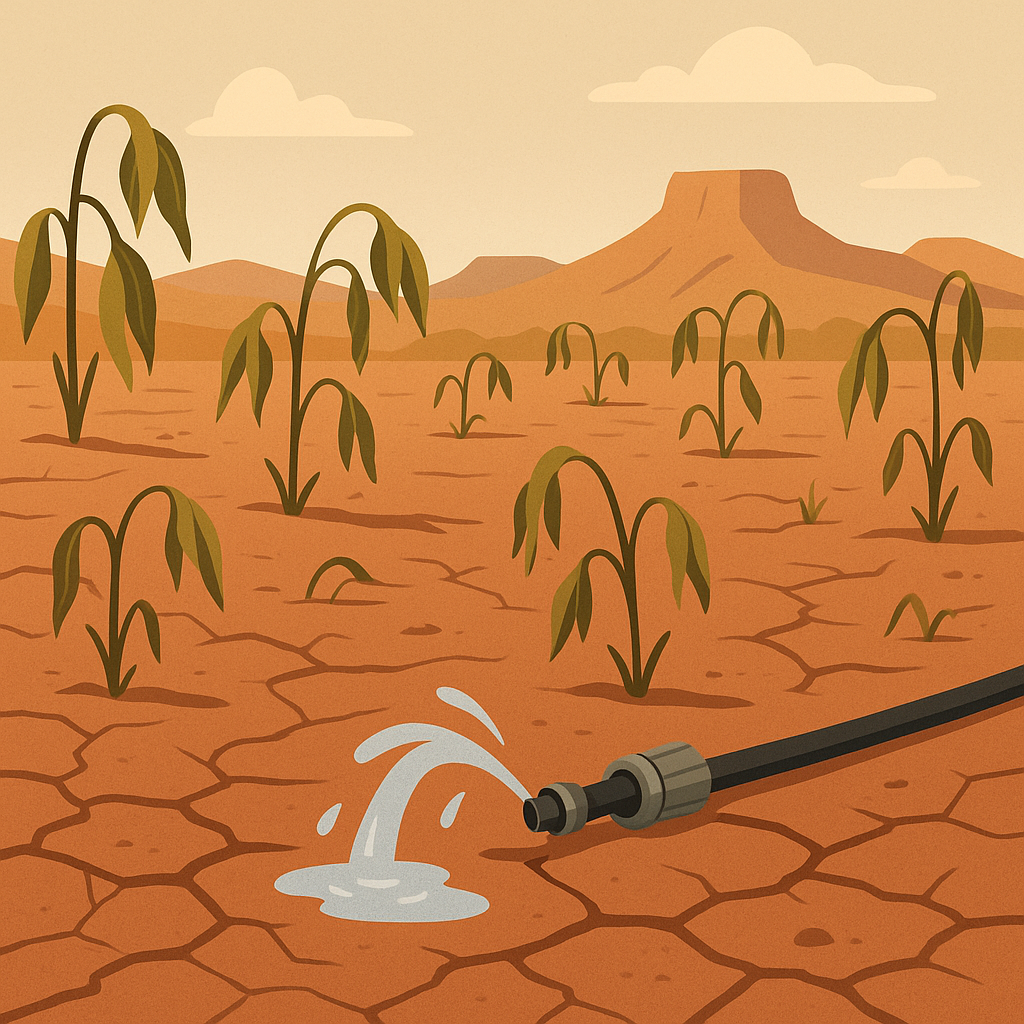
Common signs of irrigation issues include uneven plant growth, wilting, or yellowing leaves. If you notice these symptoms, it may indicate problems with your watering schedule or system efficiency. Regular monitoring can help identify and address these issues promptly.
FAQ
What are common irrigation mistakes in Southern Nevada?
Common irrigation mistakes in Southern Nevada include overwatering, using inefficient systems, not adjusting timers, neglecting soil type, and failing to maintain equipment. These issues can lead to water waste and unhealthy plants.
How can I optimize my irrigation system?
To optimize your irrigation system, consider using drip irrigation, adjusting watering schedules based on seasonal needs, regularly checking for leaks, and adapting your system to your soil type. This can enhance efficiency and plant health.
Why is water conservation important in landscaping?
Water conservation is crucial in landscaping, especially in arid regions like Southern Nevada. Efficient irrigation practices save water, reduce costs, and help maintain healthy plants, contributing to environmental sustainability.
What happens if I overwater my plants?
Overwatering can lead to root rot, nutrient leaching, and plant stress. In Southern Nevada’s climate, excess water evaporates quickly, wasting resources and potentially harming your landscape.
How can I tell if my irrigation system is effective?
To assess your irrigation system’s effectiveness, monitor plant health, check soil moisture levels, and observe water distribution. Uneven moisture or wilting plants may indicate inefficiencies needing correction.