
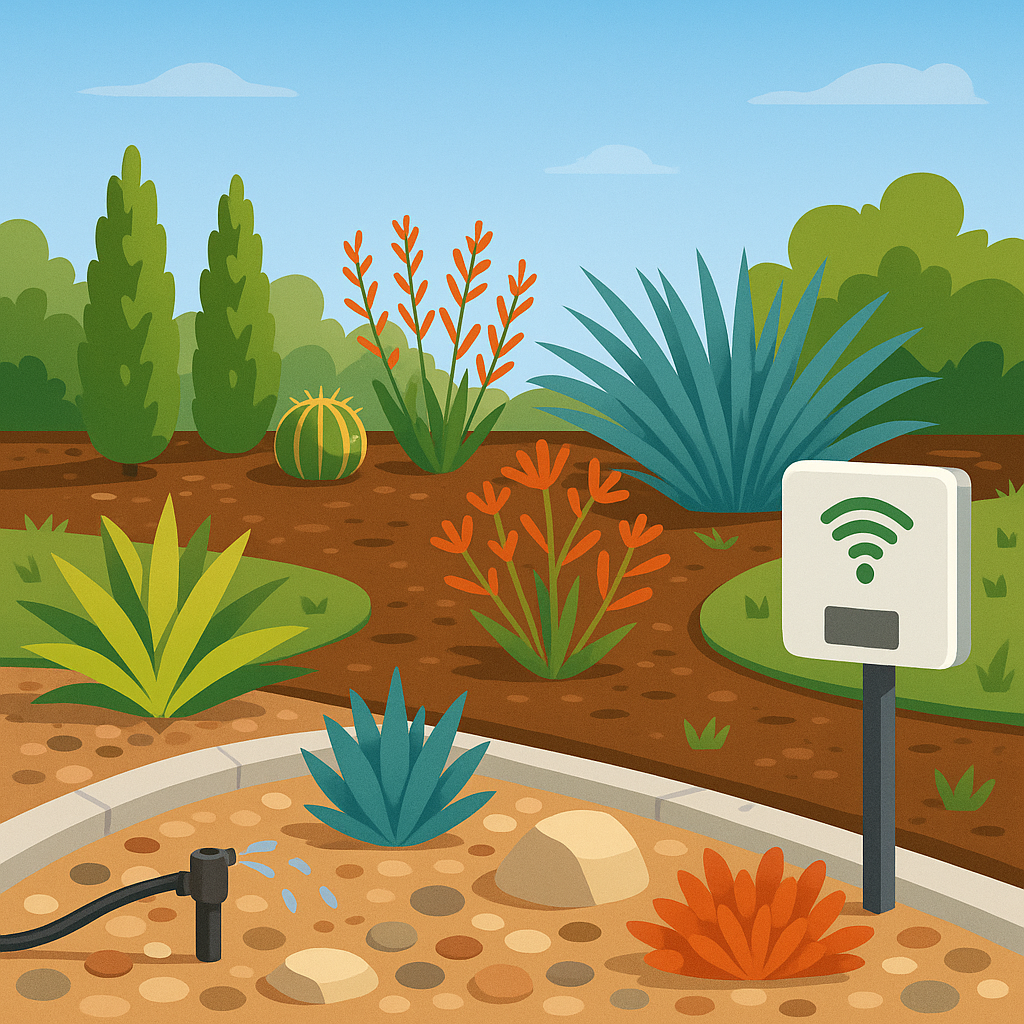
To maximize SNWA rebates, homeowners should adopt water-smart landscaping strategies. These techniques not only conserve water but also enhance the aesthetic appeal of yards. By focusing on drought-resistant plants and smart irrigation, residents can significantly lower their water usage while qualifying for generous rebates.
- Implementing native plants can reduce water usage by up to 50%.
- Smart irrigation systems can save homeowners hundreds in water bills annually.
- SNWA offers rebates for qualifying water-efficient landscape projects.
- Mulching helps retain soil moisture, reducing the need for frequent watering.
What are the Key Principles of Water-Smart Landscaping?
The key principles of water-smart landscaping include selecting native plants, creating efficient irrigation systems, and utilizing mulching techniques. These practices reduce water consumption and promote a sustainable outdoor environment. Native plants are adapted to the local climate, requiring less irrigation, while efficient systems ensure water is used wisely.
Why Choose Native Plants for Landscaping?
Native plants require significantly less water compared to non-native varieties, making them ideal for water-smart landscaping. They are adapted to the local climate, soil conditions, and pests, which means they thrive naturally without the need for excessive irrigation or chemical treatments. Additionally, using native plants supports local ecosystems and wildlife.
How Can Smart Irrigation Systems Enhance Water Efficiency?
Smart irrigation systems utilize technology to optimize water usage, adjusting watering schedules based on weather conditions and soil moisture levels. Many systems can be programmed or controlled via smartphones, ensuring that water is only used when necessary. This can lead to substantial water savings and lower utility bills over time.
What Role Does Mulching Play in Water-Smart Landscaping?
Mulching is a crucial practice in water-smart landscaping. It involves covering the soil with organic or inorganic materials to retain moisture, suppress weeds, and regulate soil temperature. A well-mulched garden can reduce the need for irrigation by up to 30%, making it an effective strategy for conserving water.
How to Plan Your Water-Smart Landscape?
Planning a water-smart landscape involves assessing your space and understanding your local climate. Begin by determining areas that require grass and those that can be transformed into drought-resistant gardens. Use landscape design software or consult with landscaping professionals to create a layout that incorporates native plants, efficient irrigation, and mulching.
FAQ
What is water-smart landscaping?
Water-smart landscaping refers to designing outdoor spaces that use minimal water while maintaining beauty and functionality. This includes using native plants, efficient irrigation systems, and mulching.
How can I qualify for SNWA rebates?
To qualify for SNWA rebates, homeowners must implement water-efficient landscaping practices, such as replacing grass with drought-tolerant plants, installing smart irrigation systems, and adhering to specific guidelines set by SNWA.
What plants are best for water-smart landscaping?
Best plants include native species like desert marigold, agave, and lavender. These plants are adapted to local climate conditions and require less water, making them ideal for water-smart landscaping.
Can I still have a lawn with water-smart landscaping?
Yes, but it should be minimized. Consider using drought-tolerant grass varieties and incorporate them sparingly with other water-efficient plants to reduce overall water consumption.
What are the financial benefits of water-smart landscaping?
Financial benefits include lower water bills and potential SNWA rebates. By investing in water-smart landscaping, homeowners can save significantly on water costs while increasing property value.